Eco-friendly pest control offers a practical way to manage pests while minimizing harm to your environment and health. Instead of relying on harsh chemicals, this approach uses natural, low-toxicity methods like habitat modification, biological controls, and targeted traps. By choosing eco-friendly pest control, you reduce risks to beneficial insects, water quality, and indoor air, all while effectively keeping pests at bay.
You can expect to use strategies that focus on prevention and disruption of pest life cycles without causing unnecessary damage to surrounding ecosystems. Techniques such as integrated pest management (IPM) and organic products like neem oil or diatomaceous earth provide sustainable options that align with maintaining biodiversity and soil health.
Adopting eco-friendly pest control may require more patience compared to chemical treatments, but it offers long-term benefits by addressing the root causes of infestations. This method supports a balanced ecosystem, making your home and garden safer for people, pets, and the planet.
Principles of Eco-Friendly Pest Control
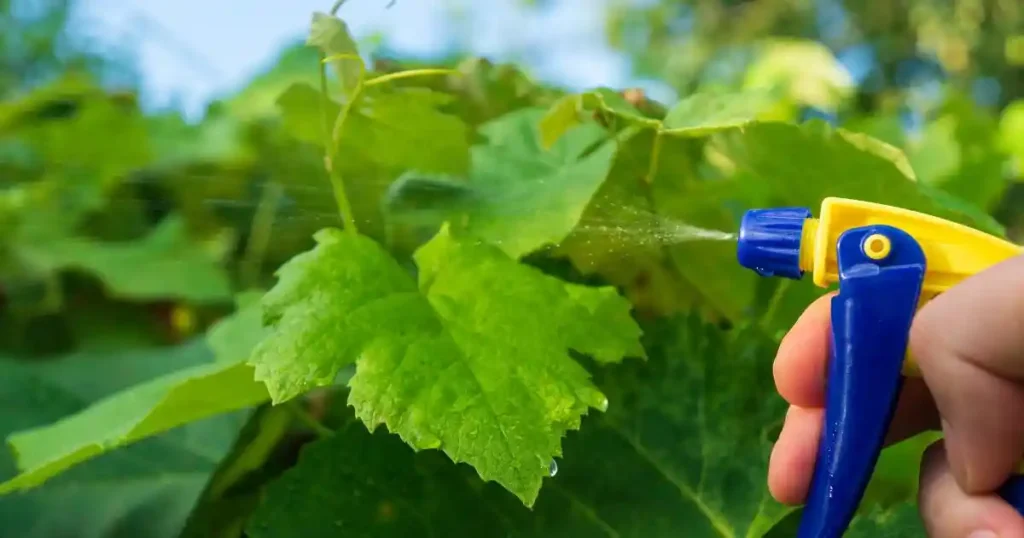
Eco-friendly pest control relies on innovative, sustainable strategies that reduce harm to the environment and keep pests at manageable levels. It prioritizes natural processes and limits the use of harmful chemicals to protect your home and surroundings in a balanced way.
Defining Eco-Friendly Approaches
Eco-friendly pest control means using methods that avoid toxic chemicals while effectively managing pests. You focus on non-toxic pest control solutions like biological controls, natural predators, and plant-based repellents. These approaches aim to preserve beneficial insects and biodiversity rather than eliminate all pests.
This style of pest management respects the ecosystem in your garden or home. It uses preventive measures such as habitat modification and monitoring pest populations to keep damage low without disturbing the environment. You will see fewer chemical residues, less risk to pets and children, and more sustainability.
Benefits of Sustainable Pest Management
Choosing sustainable pest management brings several direct benefits. It reduces the impact on non-target species, protecting pollinators and natural pest predators in your environment. This lowers the chance of pest resistance that occurs when chemicals are overused.
With eco-friendly pest control, you also minimize health risks to your family by avoiding exposure to hazardous pesticides. Sustainable methods often improve long-term pest control by maintaining ecosystem balance, making your home or garden a safer place.
These benefits support not just immediate pest problems but also contribute to healthier soil and air quality, creating a more resilient environment for you and future pest management efforts.
Principles of Integrated Pest Management
Integrated Pest Management (IPM) is a core part of eco-friendly pest control. You use a step-by-step process: first identifying the pest accurately, understanding its life cycle, and monitoring the population levels.
Then, IPM combines several control methods such as mechanical removal, biological agents like beneficial insects, and habitat changes to reduce pest conditions without heavy reliance on chemicals. You only use targeted, least-toxic chemicals as a last resort, minimizing environmental damage.
Key IPM principles include:
- Prevention: Alter the environment to reduce pest attraction.
- Monitoring: Regularly check pest levels and damage.
- Thresholds: Act only when pest populations reach harmful levels.
- Control: Use multiple, eco-friendly tactics to keep pest numbers low.
Following IPM principles helps you sustain pest control success with minimal impact on the environment and greater safety for your household.
Methods and Products for Green Pest Control

You can manage pests effectively by using solutions that prioritize safety for your home and the environment. These include approaches that harness natural biological factors, certified organic products, and removal techniques designed to minimize harm to non-target species.
Natural Pest Control Methods
Natural pest control methods rely on living organisms or physical strategies to keep pests in check. For example, introducing beneficial insects like ladybugs or parasitic wasps can reduce pest populations naturally without chemicals.
Physical barriers such as mesh screens and traps also prevent pests from invading your property. Another key tactic is habitat modification—removing sources of food, standing water, or shelter to make your surroundings less attractive to pests.
These approaches align well with green pest control solutions in Arlington, where preserving the local ecosystem is a priority. Using Integrated Pest Management (IPM) can combine these methods, reducing the need for synthetic pesticides while maintaining effective control.
Organic Pest Control Products
Organic pest control products use ingredients derived from plants, minerals, or microorganisms that break down quickly and have low toxicity. Examples include neem oil, insecticidal soaps, and diatomaceous earth.
These products target pests without impacting beneficial insects such as bees or birds. When choosing organic products, ensure they are certified and labeled explicitly for your pest issue to avoid ineffective treatments.
Applying organic solutions supports non-toxic pest control solutions, making them safer for children, pets, and the environment. Many homeowners find these products suitable for regular use, especially in sensitive areas like gardens or near water sources.
Environmentally Safe Pest Removal
Environmentally safe pest removal focuses on techniques that eliminate pests with minimal collateral damage. This includes humane traps, exclusion methods, and targeted spot treatments rather than broad-spectrum sprays.
For instance, sealing entry points in your home stops pests from entering, and timely cleaning of debris removes breeding grounds. When chemical intervention is necessary, using low-toxicity, biodegradable products limits environmental impact.
Safe removal practices are a staple of green pest control solutions in Arlington, where reducing chemical runoff and protecting native species are essential considerations. Such methods ensure you manage pests responsibly while maintaining the health of your surroundings.
Choosing Eco-Friendly Pest Control Services in Arlington
Finding a pest control service that balances effectiveness with environmental responsibility requires attention to specific factors. You need to focus on vendors’ methods, available green solutions, and legal standards to ensure safety for your family, pets, and property.
Criteria for Selecting a Green Pest Control Vendor
When choosing a green pest control vendor in Arlington, verify their certifications and experience with eco-friendly treatments. Look for companies that use integrated pest management (IPM) techniques, which combine biological, mechanical, and chemical controls to minimize environmental impact.
Check if the vendor uses products that are EPA-approved and labeled as environmentally safe. Vendors should offer tailored services that match your specific pest issues while reducing chemical use. Ask about their approach to preventing infestations rather than just reacting, to protect your home long-term.
Customer reviews and transparent pricing also matter. Trustworthy vendors communicate their methods and offer free inspections or estimates.
Green Pest Control Solutions in Arlington
Eco-friendly pest control in Arlington often includes natural repellents, biological controls like beneficial insects, and non-toxic baiting systems. These methods target pests without harmful residues or risks to your family and pets.
Services may incorporate habitat modification and sealing entry points to reduce pest access without pesticides. Many local providers emphasize using organic products and minimal-impact chemicals to manage pests such as ants, rodents, and spiders effectively.
Choose providers that combine traditional techniques with green innovations, ensuring reliable pest removal while preserving your environment.
Local and State Regulations Regarding Eco-Friendly Treatments
Arlington adheres to Virginia state laws regulating pesticide use, emphasizing responsible and safe applications to protect public health and the environment. You should confirm that your chosen provider complies with these laws and holds valid state licenses.
Certain chemicals are restricted or require special handling, pushing vendors towards greener alternatives. Vendors must also follow guidelines for notifying neighbors and minimizing drift or contamination.
Understanding local regulations helps you select a service that operates legally and prioritizes eco-friendly pest control standards. If you need professional humane wildlife or pest removal, call Critter Stop at (214) 234-2616 for a free inspection. Critter Stop is known for delivering consistently high-quality work and outstanding customer service, backed by excellent online reviews. They offer practical, environmentally safe solutions tailored to your needs.