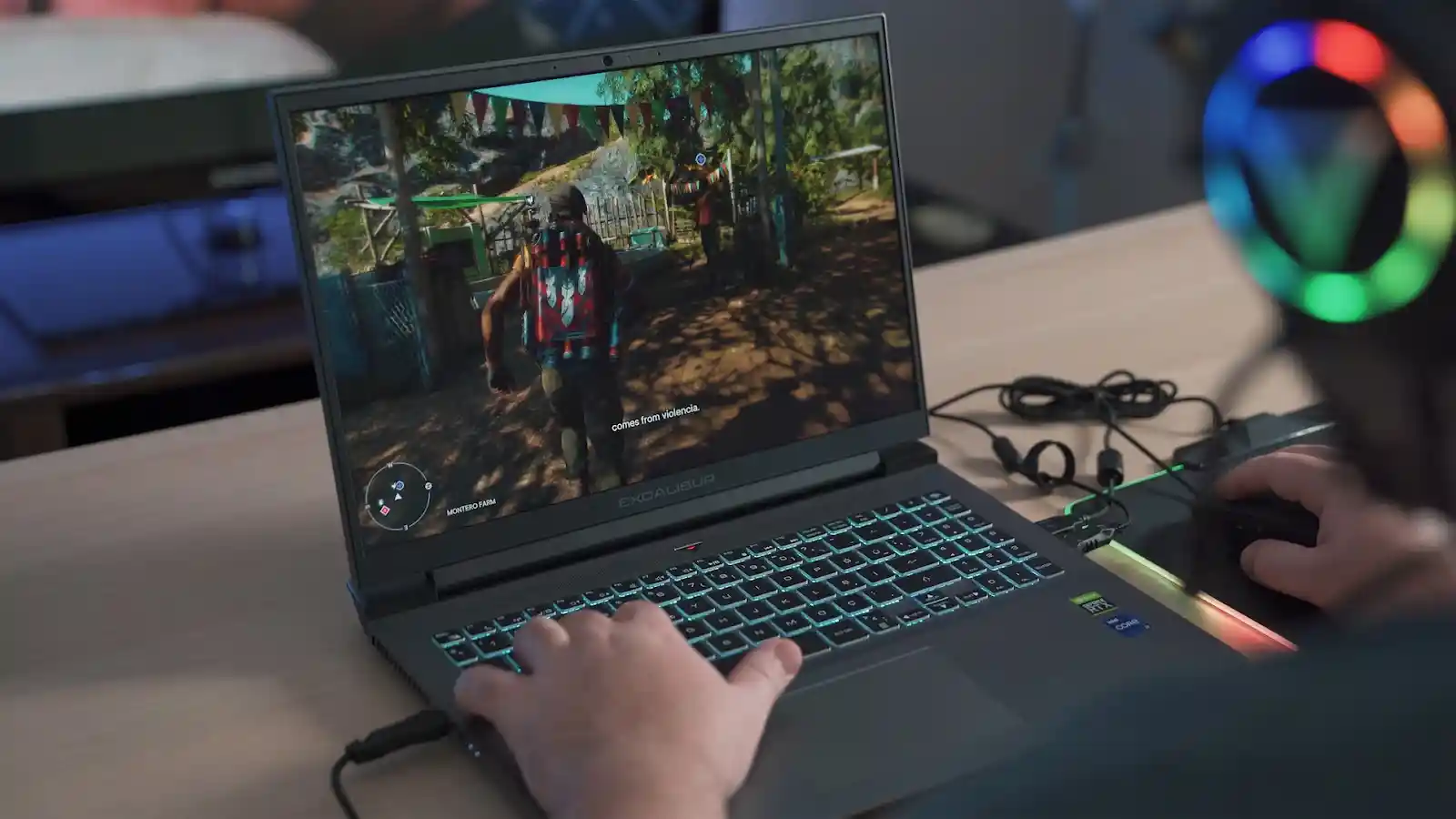
Battle royale games create intense moments, and none match the heart-pounding action of the final circle. This small area forces you and your remaining opponents into close combat, where every decision can lead to victory or defeat.
To survive the final circle, you need strong positioning, the right loadout, and smart movement patterns that keep enemies guessing. Moving early to secure high ground or stable cover gives you a major advantage over players forced to rush in at the last second.
The final moments require careful resource management and awareness. Keep track of your ammunition, healing items, and any tactical equipment that could give you an edge. Watch for enemy movements and listen for footsteps – sound cues become crucial when space is limited and tensions are high.
Preparation and Equipment
Proper loadout selection and inventory organization are crucial factors that determine your success in the final circle. The right combination of weapons, healing items, and efficient inventory management can give you a major advantage.
Inventory Management
Keep only essential items in your inventory for the final circle. Priority items include:
- 2 healing items (med kits or bandages)
- 2 shield potions
- 200 rounds of ammo per weapon
- 1-2 utility items (grenades or smoke)
Drop unnecessary materials and ammo types that don’t match your weapons. This speeds up item access during intense fights.
Create muscle memory by organizing items in the same inventory slots every game. Put healing items in the far right slots for quick access.
Selecting the Right Gear
Pick weapons that excel in close-range fights. A balanced loadout should include:
- Primary: Assault rifle for medium range
- Secondary: Shotgun or SMG for close combat
- Utility: Sniper only if you have high ground
Armor priorities:
- Level 3 vest/armor
- Fresh armor over damaged higher-tier pieces
- Helmet for protection against headshots
Choose weapons you’re comfortable with rather than following meta picks. Your skill with a weapon matters more than its theoretical power.
Stock up on ammo for your primary weapons. Running out during the final fight often means certain death.
Mastering Movement and Positioning
Smart movement and precise positioning can give you a huge edge in the final circle. The right moves at the right time make the difference between victory and defeat. For the best gaming enhancements, visit Battlelog.co to stay ahead of the competition.
Understanding the Final Circle’s Dynamics
The final circle is tiny and leaves little room for error. You need to watch how it shrinks and plan your next move ahead of time.
High ground gives you a clear view of enemy positions and makes it harder for others to push you. Look for rocks, buildings, or hills that offer good cover.
Keep track of enemy positions. Mark spots where you see or hear gunfire. This info helps you predict where teams might move next.
Tactical Maneuvers
Move along the edge of the circle to keep your back safe. This cuts down the angles enemies can attack from.
Key Movement Tips:
- Use smoke grenades to cover rotations
- Crouch-walk to stay quiet when needed
- Jump and slide to dodge bullets
- Keep your movements unpredictable
Position Yourself Smart:
- Look for spots with multiple escape routes
- Stay near cover at all times
- Watch for teams trying to flank
- Pick positions that let you see common rotation paths
Don’t stay in one spot too long. Keep moving to avoid getting pinned down by multiple teams.
Combat and Engagement
Smart combat decisions and proper positioning make the difference between victory and defeat in the final circle. Knowing when to fight and when to hold back will give you the edge you need.
Offensive Strategies
Always initiate fights from positions of strength. Pick high ground with good cover to launch your attacks.
Bring smoke grenades to create paths for pushing enemy positions. A well-placed smoke can block enemy sight lines while you close the distance.
Look for opportunities to third-party fights. When two teams are battling, wait for them to weaken each other before moving in. Time your push when you hear healing sounds or see players reviving teammates.
Keep track of where enemies are building or taking cover. Use explosives or sustained fire to pressure them out of their positions.
Defensive Techniques
Use natural cover like rocks and trees instead of building obvious structures that draw attention. Small dips in terrain can provide surprisingly good protection.
Stay mobile within your defensive position. Peek from different angles to avoid becoming predictable.
Keep a smoke grenade ready for emergency cover if you need to reposition or revive teammates. The visual barrier buys precious seconds.
Listen carefully for approaching footsteps or building sounds. Audio cues warn you about flanking attempts or aggressive pushes.
Save some materials for emergency cover. A single wall can mean the difference between life and death when caught in the open.
Teamwork and Communication
Good teamwork and clear communication give you a massive edge in the final circle. Teams that work together and share info win more games.
Coordinated Attacks
Always tell your teammates before you make a move. Call out your exact plan: “Pushing the blue house in 3 seconds” or “Flanking left behind the rock.” This stops your team from working against each other.
Use ping markers to highlight:
- Enemy locations
- Planned movement paths
- Areas to watch
- Good cover spots
Time your attacks together. When one teammate starts shooting, others should move to better positions. This splits enemy attention and creates openings.
Information Sharing
Make quick, clear callouts about what you see. Use compass numbers and nearby landmarks: “Enemy team at 285, behind the broken wall.”
Share key details with your squad:
- Enemy positions and movement
- Available armor and ammo
- Safe paths to rotate
- Gas movement patterns
Watch different angles than your teammates. Each player should cover a specific direction to prevent surprise attacks. Call out when you need to reload or heal so teammates can cover you.
Keep comms focused on game-winning info. Skip casual chat during intense moments. This helps everyone stay alert and ready to act.