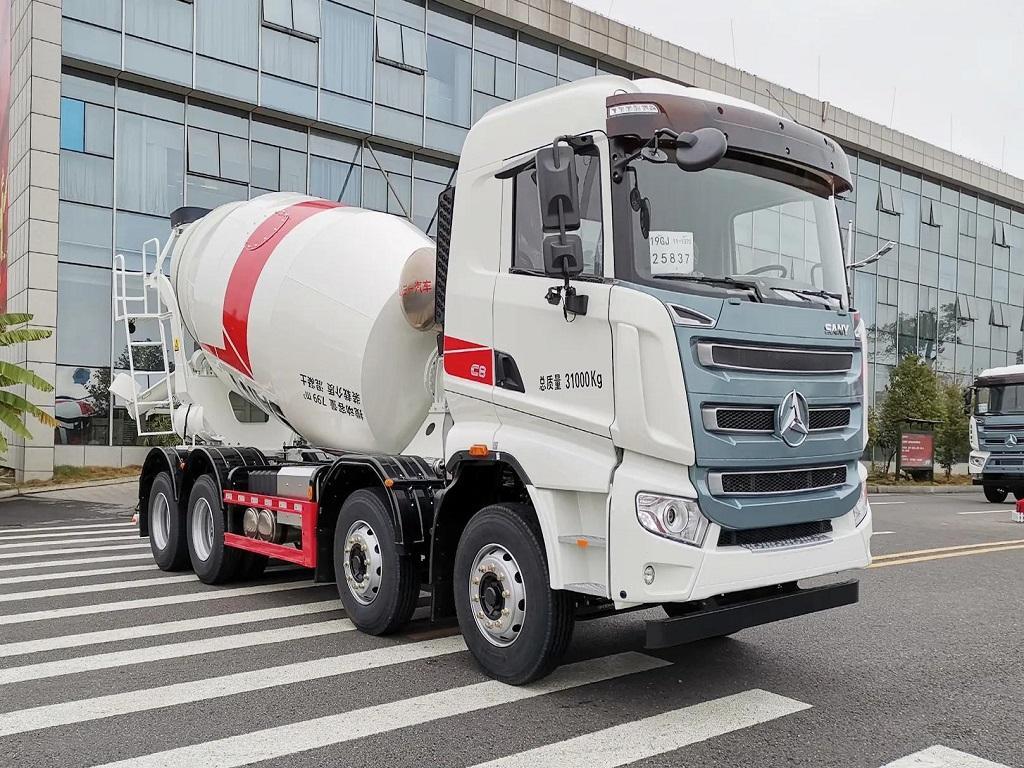
Maintaining your cement mixer truck is crucial to ensure optimal performance and extend its lifespan. Neglecting routine maintenance can lead to costly repairs and unexpected downtime. Regular check-ups not only keep your equipment operational but also enhance safety on the job site. This guide provides essential tips on keeping your mixer truck in top condition. From lubrication to hydraulic system care, learn the best practices for maintaining key components. Plus, discover a structured maintenance schedule encompassing weekly, monthly, and seasonal tasks. These proactive approaches ensure the reliability and efficiency of your mixer truck, regardless of working conditions or time of year.
Key Component Maintenance Procedures
Lubrication and Wear Part Care
Regular lubrication of your mixer truck’s moving parts is essential. Focus on bearings, gears, and joints, which experience the most wear. Use a high-quality lubricant appropriate for the components and operating conditions. Check the manufacturer’s recommendations to ensure compatibility. Routinely inspect wear parts, like belts and hoses, for signs of aging. Address issues immediately to prevent failures that could halt operations. Implement a lubrication schedule to ensure consistent care. Technicians should document each service, noting lubricant types and quantities. This systematic approach not only prolongs the lifespan of parts but also boosts performance and efficiency, keeping your truck at peak operational readiness.
Drum Cleaning and Blade Inspection
The drum is at the heart of a mixer truck’s operation. Regular cleaning prevents concrete build-up that can unbalance the truck and reduce efficiency. Use a high-pressure water system after each job to wash residual concrete from the drum. Inspect blades inside the drum for wear or damage. Worn blades can compromise the mixing process, leading to subpar concrete quality. Schedule periodic professional inspections to maintain drum balance and efficiency. By keeping the drum and its blades in excellent condition, you ensure that each batch of concrete is mixed uniformly, preserving quality and consistent project outcomes.
Hydraulic System and Engine Upkeep
The hydraulic system powers vital operations like drum rotation and chute movement. Maintain fluid levels and check for leaks regularly. Use manufacturer-recommended hydraulic fluid to optimize performance. Inspect hydraulic hoses and seals for wear, replacing them as needed. Engine maintenance is equally crucial. Regular oil changes and filter replacements prevent engine wear and prolong its life. Technicians should inspect the cooling system to prevent overheating issues that can lead to costly damage. Routine performance checks and prompt attention to any irregularities are key. Prioritizing these aspects ensures the reliable operation of your mixer truck’s critical systems.

Weekly, Monthly, and Seasonal Maintenance
Weekly Inspections for Hidden Wear
Conduct thorough inspections every week to detect hidden wear that might not be apparent. Focus on the truck’s suspension, steering, and braking systems. These components are vital for safe operation and are subject to significant stress. Technicians should listen for unusual noises and feel for vibrations that could indicate underlying issues. Pay attention to tire conditions, ensuring they’re properly inflated and free of damage. Document findings and take corrective action immediately. Addressing minor problems quickly can prevent them from escalating into major repairs, keeping downtime minimal and safety at the forefront of operations.
Monthly Deep Service and Component Check
Each month, perform a deep service to assess and maintain all components. This includes a comprehensive check of electrical systems and chassis components. Inspect electrical connections and battery terminals, cleaning and securing them as necessary. Evaluate the truck’s body for signs of corrosion or structural damage. Technicians should test lights, indicators, and safety features to ensure compliance with regulations. Ensure lubrication and hydraulic systems are in top condition, with no leaks or contamination. A detailed monthly service guarantees that every part of the truck is prepared to meet operational demands without faltering, ensuring reliability.
Seasonal Tips for Temperature Extremes
Seasonal changes can greatly affect your mixer truck. In cold climates, ensure the engine and fluids are compatible with low temperatures. Use antifreeze where necessary and consider engine block heaters to aid starting. In hot weather, pay attention to cooling systems to prevent overheating. The tire pressure should be adjusted to match seasonal temperature changes, ensuring optimal contact and wear. Employees should acclimate systems gradually to prevent thermal shock. Technicians must inspect components susceptible to temperature variations, like seals and hoses, more frequently. By adapting maintenance practices to the seasons, you address potential issues before they arise.
Conclusion
Adopting a proactive approach to mixer truck maintenance can save time and money in the long run. Regular attention to lubrication, drum care, hydraulic systems, and engine upkeep ensures efficient operations and extends equipment life. Implementing a structured maintenance schedule covering weekly, monthly, and seasonal tasks helps in catching small issues before they become problematic. Prioritize safety through thorough inspections, minimizing risks on the job. By committing to these maintenance measures, you enhance performance, prevent downtime, and maximize the return on your investment in your cement mixer truck. Your diligence keeps projects moving smoothly and efficiently.