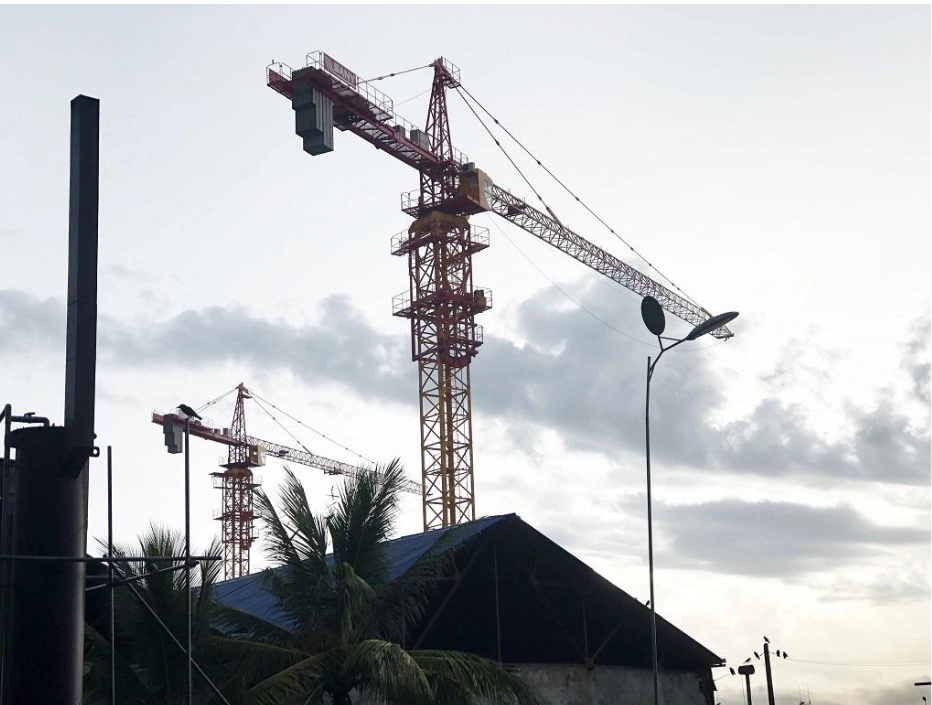
Safety is paramount when operating tower cranes. Operators have a duty to perform comprehensive safety checks to prevent accidents and ensure smooth operations on-site. Unchecked machinery can cause severe mishaps, placing workers at risk and jeopardizing projects. By adopting strict safety protocols, operators can maintain the integrity of the machinery and the security of everyone involved. This blog outlines the key safety checks that tower crane operators must undertake daily and regularly, focusing on pre-operation assessments, environmental scrutiny, and meticulous records maintenance. These practices not only facilitate compliance with site regulations but also promote the well-being of construction teams and the overall success of projects.
Core Pre-Operation and Daily Safety Checks
Before beginning daily operations, it is critical for crane operators to conduct specific safety checks to identify and mitigate potential hazards. These inspections ensure that the crane is ready to perform securely and efficiently throughout the day, protecting both workers and equipment. Regular checks foster an environment of safety and reliability on-site, minimizing downtime and accidents.
Visual and Structural Inspections Before Operation
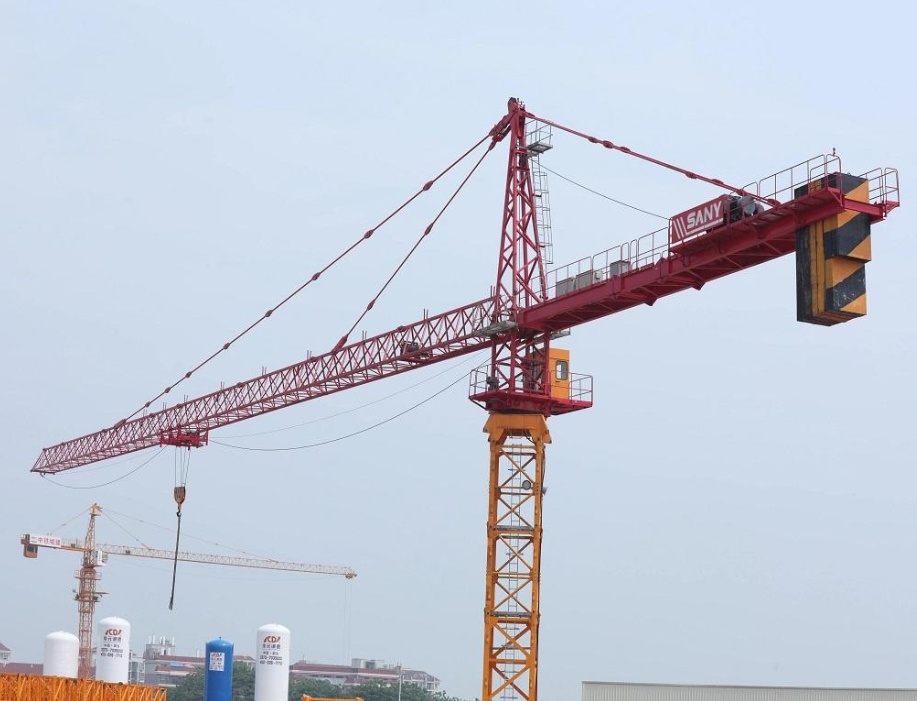
Operators must start with a comprehensive visual inspection of the tower crane. This includes checking the boom, cables, pulleys, and hooks for wear and tear, deformities, or any signs of damage. Structural elements, including safety guards and bolts, should be evaluated to ensure stability and security. Operators should verify that all safety labels and controls are visible and comprehensible. This routine helps identify any physical abnormalities that could escalate into serious issues if left unaddressed. Ensuring structural integrity means preventing accidents and maintaining a high level of operational safety on the job site.
Mechanical and Electrical Systems Daily Checks
Inspecting the mechanical and electrical systems is crucial for the safe operation of a tower crane. Operators should examine gears, motors, and brakes to ensure they are functioning properly. Hydraulic systems should be checked for leaks or malfunctions. Electrical panels and wiring require careful scrutiny to detect any signs of wear or potential hazards. These systems must be operational and adhere to safety standards to minimize the risk of mechanical failure during crane operation. Regular checks of these systems maintain equipment reliability and assure safe crane operation.
Environmental and Jobsite Safety Checks
Assessing environmental conditions and jobsite safety is essential to crane operations. Operators must be aware of external factors such as weather conditions, ground stability, and any site-specific hazards. Jobsite inspections aid in creating a secure work environment, facilitating effective communication and coordination among crew members.
Weather, Wind, and Environmental Monitoring
Daily environmental monitoring involves evaluating weather forecasts and wind speeds. Strong winds and adverse weather conditions can destabilize cranes, increasing the risk of accidents. Operators must use anemometers to measure winds at the crane’s height and adjust operations accordingly. Assessing visibility conditions and potential environmental hazards, such as flying debris, is crucial. Aligning crane operations with weather forecasts and environmental evaluations ensures that activities are planned and conducted safely, preventing accidents linked to environmental factors.
Ground Stability, Obstructions, and Communication Checks
Ground stability checks involve confirming that the crane is set up on solid terrain, free from uneven surfaces, erosion risks, or sinkholes. Operators must survey the job site for obstructions that could interfere with crane maneuvers, such as overhead power lines or scaffolding. Establishing clear communication channels among crew members and adjacent teams is vital to ensure coordination and prevent misunderstandings during operations. Regular jobsite assessments enhance safety practices, reduce risks of incidents, and support seamless crane functioning.
Regular Maintenance, Documentation, and Best Practices
Scheduled maintenance and thorough documentation are imperative for the long-term functionality and safety of tower cranes. Implementing best practices in maintenance and documentation fortifies crane safety and reliability over time.
Scheduled Inspections and Maintenance Protocols
Operators should adhere to a predetermined maintenance schedule, including inspections for wear-and-tear, alignment, and lubrication. Regular inspections of gears, cables, and hydraulic systems ensure that the crane is operating efficiently. Replacing worn parts in a timely manner and conducting system upgrades contribute to machinery reliability. Maintenance protocols help anticipate potential issues before they escalate into hazardous situations, promoting unimpeded and secure operations daily. Following these scheduled practices reinforces operational safety and equipment efficiency.
Safety Reporting, Record Keeping, and Operator Responsibilities
Maintaining accurate records of safety checks, inspections, and maintenance activities is crucial for compliance and operational transparency. Documentation supports accountability and traceability of safety practices. Operators should diligently record daily findings, repair activities, and equipment status updates. Reporting anomalies and addressing them promptly is part of the operator’s duty. Ensuring these practices maintain operational integrity and aid in identifying equipment issues early. Comprehensive record-keeping and prompt reporting reinforce safety adherence and operational accountability.
Conclusion
Implementing rigorous safety checks for tower cranes is essential for preserving site safety and ensuring operational success. By undertaking daily visual, mechanical, and environmental evaluations, operators mitigate risks and foster a culture of safety and reliability. Regular maintenance, documentation, and reporting are pivotal in maintaining equipment integrity and compliance with safety standards. Through diligent adherence to these practices, operators safeguard the well-being of the workforce and uphold site safety standards, ensuring smooth and successful crane operations.