You carefully charged your portable power station to 100% before storing it for emergencies, only to discover months later that it’s mysteriously drained to 30%. This phenomenon, called phantom drain or self-discharge, plagues all battery-powered devices but hits power stations particularly hard due to their large capacity. Unlike your smartphone that might lose a few percent overnight, a power station’s gradual energy loss can mean the difference between running a medical device during an outage or sitting powerless. In this article, we’ll uncover the science behind this invisible power loss, distinguish normal behavior from warning signs, and share proven storage techniques to keep your station ready when needed.
1. Battery Chemistry Basics
All batteries self-discharge due to fundamental electrochemical principles – it’s as inevitable as ice melting at room temperature. Lithium-ion batteries (used in most stations) typically lose 1.5-2% of their charge per month just from internal chemical reactions, even when disconnected. This occurs because lithium ions slowly migrate between electrodes without producing useful current, like water slowly evaporating from a sealed glass. Lead-acid batteries (in some older models) fare worse at 4-6% monthly loss. Temperature dramatically affects these rates – a battery stored at 86°F (30°C) discharges twice as fast as one kept at 68°F (20°C). While you can’t stop this completely, understanding these baseline expectations helps distinguish normal behavior from problematic drain.
2. Background Power Vampires
Modern power stations aren’t truly “off” when powered down – their battery management systems (BMS), display circuits, and Bluetooth/Wi-Fi modules often remain active, collectively drawing 5-15W continuously. That’s enough to drain a 500Wh station by 10% in a month without any ports being used. Some models keep USB ports live for phone charging convenience, while others maintain inverter readiness for faster startup times. These features trade convenience for gradual power loss, much like a car’s clock and security system slowly drain its battery.

3. Environmental Factors Accelerating Drain
Heat’s Impact on Discharge Rate
Storing your power station in a garage or car trunk during summer can triple its self-discharge rate. At 104°F (40°C), lithium-ion batteries lose capacity 25% faster than at room temperature due to accelerated chemical activity. The heat also stresses internal electronics, causing components like voltage regulators to draw extra power for cooling. This creates a vicious cycle – heat increases drain, which generates more heat as the BMS works harder. Ideal storage mimics wine cellars: cool (50-68°F/10-20°C), dry, and away from direct sunlight.
Cold Weather Battery Performance
While cold temperatures (below 32°F/0°C) slow chemical discharge, they introduce different problems. Lithium batteries temporarily lose up to 30% capacity in freezing conditions as ion movement slows – what appears as “drain” is actually inaccessible power that returns when warmed. More critically, charging a cold battery below 32°F can permanently damage its structure. If storing in unheated spaces, keep the station at 40-50% charge and allow it to warm to room temperature before recharging.
4. Normal vs. Excessive Drain
Acceptable Monthly Loss
Quality power stations should lose no more than 3-5% charge monthly when stored properly at 50-60% capacity in moderate temperatures. For example, a 1000Wh unit might drop to 950Wh after 30 days – this is normal electrochemical behavior. However, losses exceeding 20% monthly indicate problems: possibly a faulty BMS drawing excess power, deteriorating battery cells, or forgotten accessories left plugged in. Track your station’s drain rate by recording its charge level at storage, then checking monthly (not weekly – too frequent checks waste power on display activation).
When It Indicates Battery Failure
Certain drain patterns signal impending battery failure: sudden drops (e.g., from 50% to 10% overnight), recovery after charging to only 80% capacity, or the station feeling warm when supposedly idle. These suggest internal short circuits or damaged cells that can’t hold charge effectively. Another red flag is inconsistent behavior – one month losing 5%, the next 25% under identical conditions. Unlike gradual chemical discharge, these symptoms typically worsen rapidly and require professional assessment.
5. How to Minimize Storage Drain
The 50% Charge Sweet Spot
Storing lithium batteries at full charge accelerates chemical degradation, while empty storage risks deep discharge damage. The compromise? 50-60% charge – enough to compensate for monthly loss without stressing cells. Before long-term storage, use your station until it reaches this range, or manually stop charging halfway. Some premium models have “storage mode” that automatically maintains this level. This technique alone can double your battery’s lifespan compared to always storing at 100%.
Physical Disconnect Techniques
For stations with removable batteries, taking them out stops all parasitic drain completely. Non-removable models may have a “full shutdown” sequence (often holding power + another button for 10 seconds) that truly disables electronics rather than standby mode. Unplug all cables, including solar panels – even disconnected wires can induce small currents through electromagnetic induction. These steps are like unplugging your TV rather than just using the remote’s off button – they eliminate phantom loads completely. Just remember to check every 3-6 months and recharge to 50% if needed.
6. When to Worry
If your properly stored station consistently loses over 30% charge monthly despite all optimizations, its battery likely needs replacement. Other terminal signs include failure to hold any charge for 24 hours, visible bulging of the casing, or error codes related to cell voltage imbalance. At this point, continued use risks sudden failure during emergencies – the exact scenario you bought the station to prevent. Replacement batteries typically cost 40-60% of a new unit, making upgrade consideration worthwhile. It’s like replacing smoke detector batteries – you don’t wait until they’re completely dead.
Conclusion
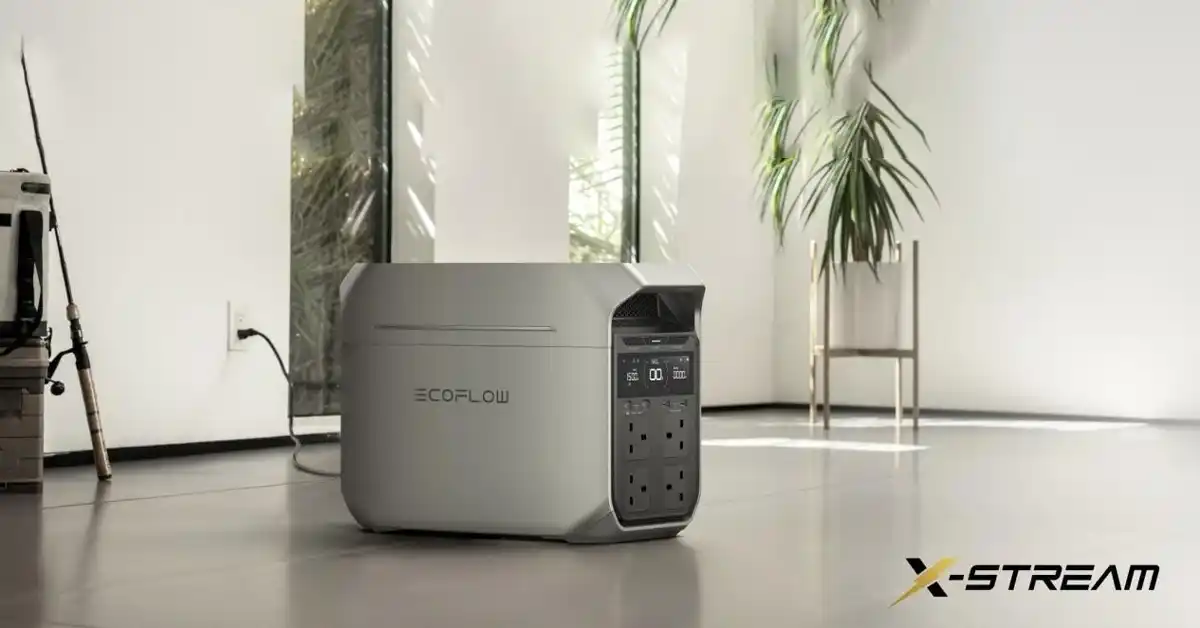
Portable power stations will always lose some charge when idle – it’s a tradeoff for their advanced functionality. By storing at 50% charge in moderate temperatures, disabling unnecessary features, and monitoring drain rates, you can minimize losses to acceptable levels. For those shopping for a new unit, the EcoFlow portable power station offers exceptional standby efficiency that simplify these maintenance routines. Remember: your power station is like a fire extinguisher – regular checks ensure it works when needed most.