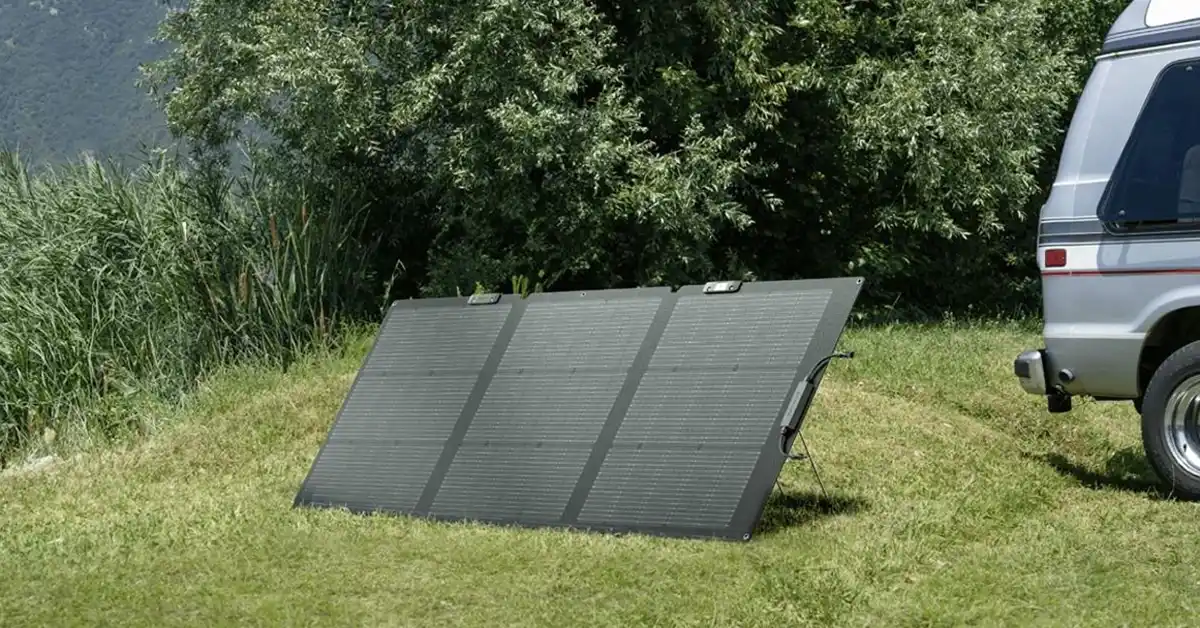
Solar panels are a renewable energy option that utilizes the sun’s power to create electricity. With increased interest in renewable energy, it is critical to understand the many types of solar panels available on the market. Each kind has its own set of benefits, efficiency, and cost consequences, all of which should be considered while selecting the best system for your requirements. This tutorial will look at the three basic varieties of solar panels: monocrystalline, polycrystalline, and thin-film—so you can make an informed selection based on your individual needs and preferences.
What Are the Main Types of Solar Panels?
Monocrystalline Solar Panels
Monocrystalline solar panels are composed of a single crystal structure, making them extremely effective in converting sunlight into power. These panels are easily identified by their black hue and rounded edges. They are noted for their strong performance, with efficiency rates ranging from 15% to 20%. Monocrystalline panels are sturdy and often have a longer lifespan due to their use of pure silicon. However, due to greater production costs, they are often more expensive than other types of panels. Despite the expense, their efficiency in cramped spaces makes them a popular choice.
Polycrystalline Solar Panels
Polycrystalline solar panels are created by melting silicon crystals together to form a panel. These panels are usually blue in color and have a less homogeneous structure than monocrystalline panels. Polycrystalline panels are a more cost-effective solution, albeit being less efficient (13-16% efficiency). They are ideal for individuals with a wider installation area and a desire to cut upfront expenditures. Their performance may not be as good as monocrystalline panels, but they are a reliable, cost-effective option for residential and commercial solar installations.
Thin-Film Solar Panels
Thin-film solar panels are created by stacking photovoltaic material over a substrate, making them light and flexible. These panels are less expensive, but have lower efficiency rates, ranging from 10% to 12%. Thin-film panels are commonly employed in large-scale commercial applications or regions with ample space. They may be incorporated into a variety of surfaces, including roofs and windows, providing aesthetic diversity. While they require more space to produce the same amount of energy as monocrystalline or polycrystalline panels, their low cost and versatility make them an enticing choice for some installations.
How to Choose the Best Solar Panel Type for Your Needs?
Efficiency and Performance
Efficiency and performance are critical considerations when choosing solar panels. Monocrystalline panels are the most efficient, producing the most energy in the shortest space, making them perfect for houses with limited roof space. Polycrystalline panels, while somewhat less efficient, remain a dependable option for people with larger areas. Thin-film panels, albeit the least efficient, can be used in vast areas or projects where aesthetic flexibility is required. To select the optimal panel type, consider how much energy you use, the available installation space, and the panel’s long-term performance in your environment.

Cost and Budget Considerations
Cost is a crucial consideration when determining which type of solar panel to use. Monocrystalline panels are the most costly, but they also provide the highest efficiency, making them perfect for homeowners who value long-term savings and performance. Polycrystalline panels are cheaper and provide a good mix of cost and efficiency. Thin-film panels are the least priced initially, but they require more area for the same power output, which may increase the ultimate installation cost. Consider your budget, available incentives, and potential energy bill savings to find the most cost-effective option for your needs.
Space and Installation Requirements
The amount of available space for installation plays a significant role in selecting the right type of solar panel. Monocrystalline panels are the most space-efficient, producing more electricity per square foot, making them ideal for homes with small roof spaces. Polycrystalline panels, while still efficient, need a greater area to generate the same quantity of energy. Thin-film panels have the lowest efficiency per square foot and require a large installation area to satisfy energy demands. When planning an installation, consider roof direction, shading, and local weather conditions to guarantee optimal panel performance and energy output.
Conclusion
Choosing the proper type of solar panel is a critical choice that relies on your energy requirements, budget, and available space. Monocrystalline panels are the most efficient but come at a higher cost, making them appropriate for smaller rooms. Polycrystalline panels provide a fair mix between price and performance, but thin-film panels are best suited to big installations with flexible space. Assessing your unique scenario, including budget, roof space, and energy objectives, will help you choose the best solar panel type for your house or company. Finally, all three types offer considerable long-term advantages, helping to promote sustainable energy alternatives.