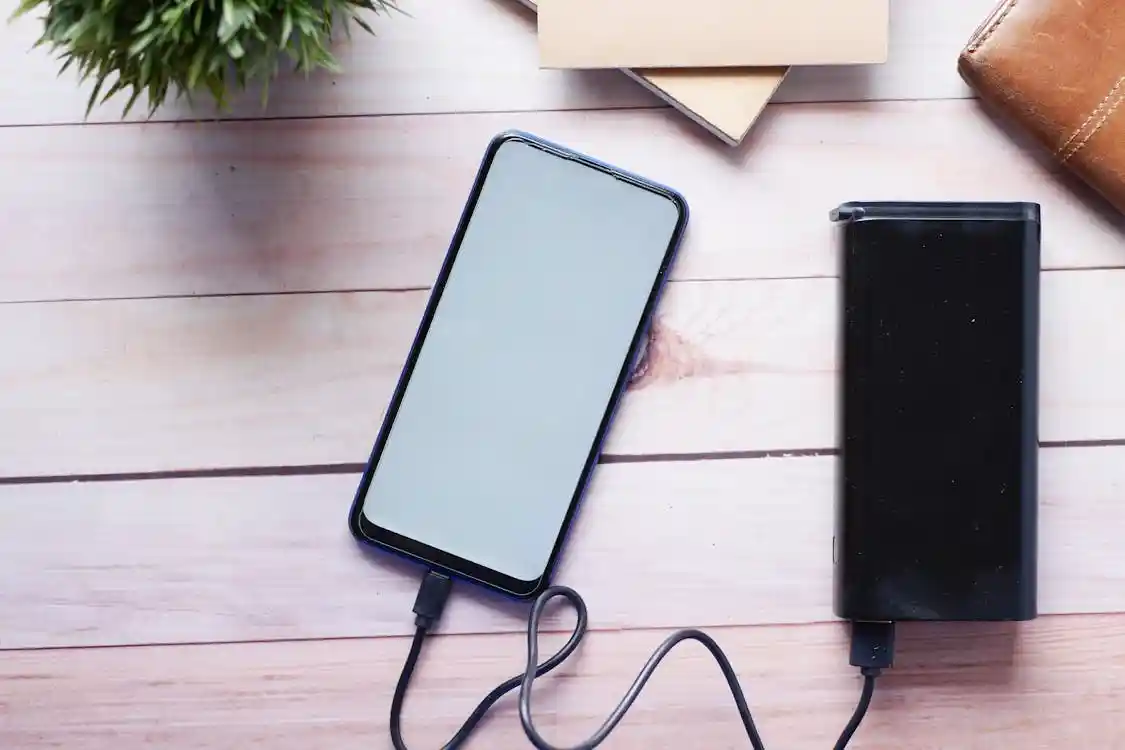
Power banks are essential for smartphone users to stay connected when they are not near outlets. Selecting the appropriate power bank prevents battery worry, guarantees safety, and saves time. Price is all that many purchasers consider. However, charging speed, capacity, and safety features are equally important. A good power bank safeguards both your money and your phone. You may choose one that suits your lifestyle and gadget with the aid of our guide. It lists the essential specifications to look at first. The best features that you could want are then highlighted. You will know exactly what to look for in a 2025 power bank at the end.
What Should You Look for in a Power Bank?
Battery Capacity: How Much Power Do You Need?
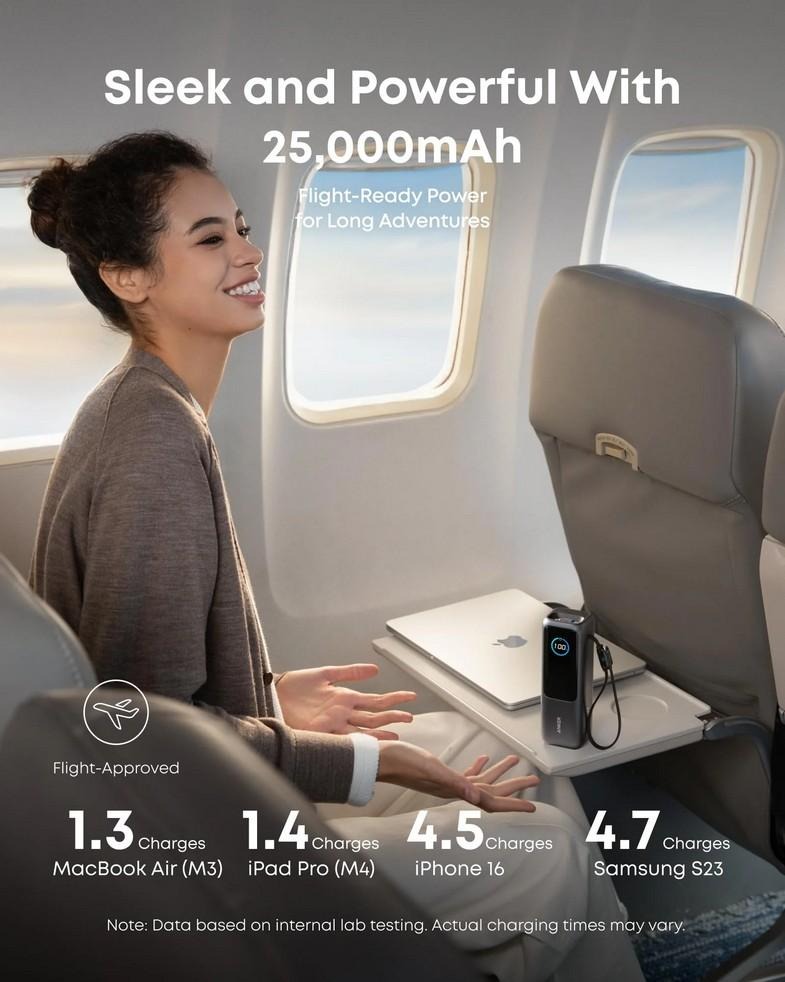
Capacity refers to how much energy a power bank contains. It utilizes milliampere-hours (mAh). A tiny phone may require 5,000-10,000 mAh for a single full charge. A big phone or tablet may demand 20,000 or more mAh. Higher capacity means more charges, but also more weight. Carrying 20,000 mAh seems heavier and thicker than a thin 10,000 mAh. Think about your daily routine. Choose a bigger capacity if you will be traveling or staying without power for an extended period of time. If you only need backup for brief errands, a tiny, low-capacity device would suffice. To keep things in balance, always match capacity to usage.
Output Speed: Charging Speed Matters
Output speed describes how quickly a power bank charges your device. Look for wattage—typically 10 W, 18 W, 20 W, or higher. Fast charging methods such as Power Delivery (PD) and Quick Charge (QC) shorten charging time. A power bank with 20 W of PD can charge a phone significantly quicker than a 10 W older type. Also, the input speed should be examined, i.e., how quickly the power bank recharges. Some require many hours, while others allow 18-30 W input and replenish rapidly. Make sure the charger and cord support that speed. To benefit from the protocol, your phone must support it as well. Faster speeds save time, particularly when electricity is restricted.
Portability and Design
Portable power banks must strike a compromise between size, weight, and durability. Slim patterns may easily fit into pockets. Bulkier types can hold more juice but may stretch bags or weigh you down. Material matters: metal housing is resistant to dents, whereas plastic housing may seem light but is less durable. Check for design elements such as grip, rubber edges, or a protective case. Also, look at the weight labels—around 200-250 grams seems noteworthy. Consider if you need LED indicators or digital readouts to display charge levels. Cable storage helps to prevent tangling. Choose the type that best suits your travel patterns. The portability and style of the power bank influence how easy you use it every day.
What Are the Best Power Bank Features in 2025?
USB-C and Wireless Charging Options
USB-C becomes the standard for rapid bidirectional charging. A power bank with USB-C connectors allows you to swiftly input and output power. It makes your life easier if your phone supports USB-C. Wireless charging increases convenience. You drop the phone and let it charge without cords. Some power banks offer MagSafe or Qi wireless at 10-15 watts. Wireless means slower than wired, but ideal for desktops and nightstands. Having both USB-C and wireless options provides versatility. You can plug in when speed is critical. When it comes to convenience, you can do without cable. In 2025, varied interface options provide additional freedom.
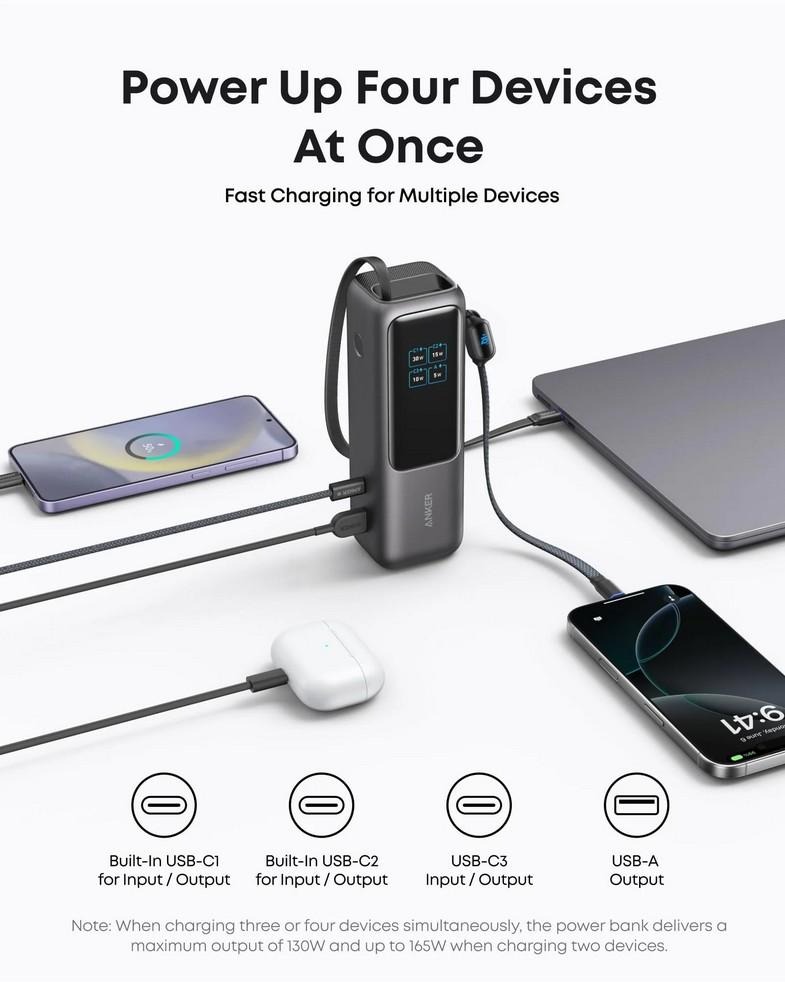
Multi-Device Charging Capability
Many users bring a phone, tablet, wristwatch, or earphones. A power bank with numerous connectors charges many gadgets at once. Some variants include two USB-C ports, one USB-A, and a wireless pad. If you’re running several devices, select at least three output choices. Also, the overall output should be examined, including whether all ports can give adequate combined power. For example, two phones and a tablet may attract a lot of attention. A good multi-device bank intelligently allocates power, ensuring that no device suffers significant performance degradation. This function lowers the need to carry several chargers. Multi-device charging is suitable for both busy people and technology enthusiasts.
Smart Charging Technology
Smart charging protects gadgets while improving efficiency. Look for things like overcharge prevention, temperature management, and adaptive voltage. For example, Power Delivery automatically changes the voltage to match your phone. Some banks incorporate chipsets for detecting cable quality and adjusting current. Others provide pass-through charging, allowing phones and banks to charge securely together. Smart technology also improves battery health. It decreases heat, causing batteries to deteriorate more quickly. It avoids power surges and short circuits. Brands like Anker frequently include these safeguards. Investing in smart features adds safety and longevity for both your devices and the power bank.
Conclusion
Choosing the finest power bank for your smartphone in 2025 needs various considerations. First, consider how much capacity you’ll need. Evaluate the output speed so that charging time is kept to a minimum. Make sure the design allows for portability. Seek out current features such as USB-C, wireless charging, and multi-device connections. Smart safety measures keep your phone secure and extend its life. Balance your expenses with your needs. A dependable power bank saves time and hassle. Use this guidance when purchasing. Choose the product that best suits your habits, phone type, and travel style. Then you may be confident wherever you go.