In today’s interconnected and often unpredictable world, security is no longer a luxury but a necessity for businesses across various sectors.
Certain industries, due to the nature of their operations, the value of their assets, or the sensitivity of their data, require expert security protection services to mitigate risks and ensure business continuity.
Let’s explore some of the top industries that rely heavily on professional security solutions.
1. Financial Institutions
No surprise here. Banks, credit unions, and other financial institutions handle vast amounts of money and sensitive customer data, making them prime targets for theft, fraud, and cyberattacks.
Expert security services, such as those offered by a Detroit security company, are crucial for protecting physical branches, safeguarding ATMs, securing online transactions, and preventing data breaches. This includes armed security guards, surveillance systems, access control, and cybersecurity measures.
2. Healthcare
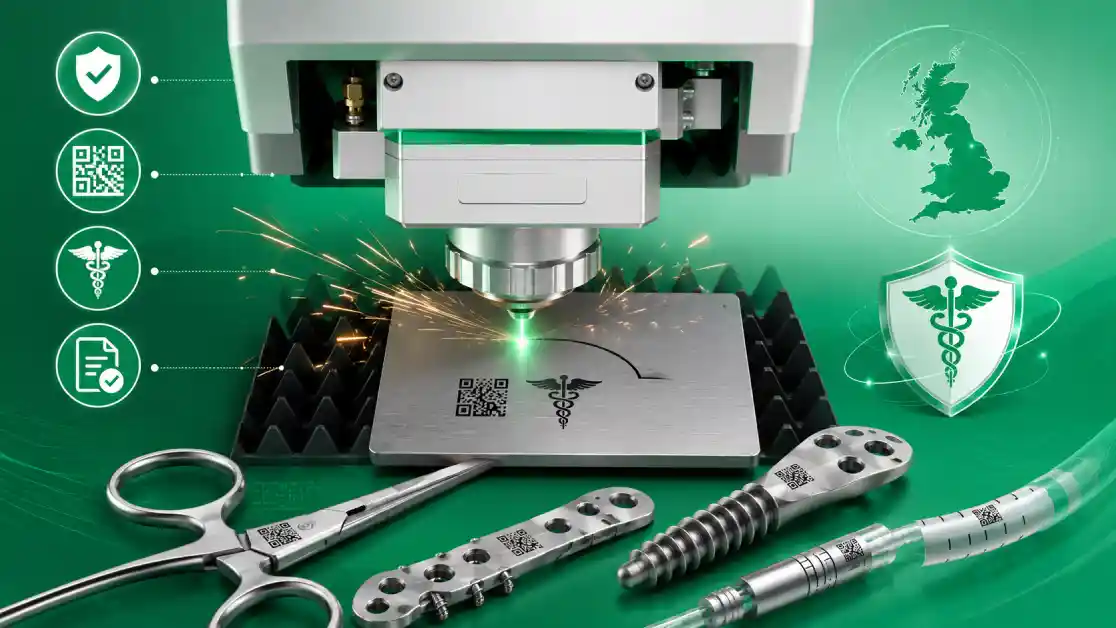
Hospitals, clinics, and pharmaceutical companies deal with confidential patient information, controlled substances, and expensive medical equipment. Security breaches can have severe consequences, including patient privacy violations, drug theft, and disruption of critical services.
Professional security services are essential for protecting patient data, securing facilities, and ensuring the safety of staff and patients.
3. Government and Public Sector
Government buildings, courthouses, and public facilities often require high levels of security to protect sensitive information, prevent unauthorized access, and maintain order.
Security personnel are responsible for screening visitors, monitoring surveillance systems, and responding to emergencies. Robust security measures are vital for safeguarding government assets and ensuring public safety.
4. Retail
Retail stores, especially those selling high-value items, are susceptible to theft, vandalism, and shoplifting. Security guards, loss prevention specialists, and surveillance systems are essential for deterring crime, protecting inventory, and ensuring a safe shopping environment for customers and employees.
5. Manufacturing and Industrial
Manufacturing facilities and industrial sites often house valuable equipment, raw materials, and finished products. They may also handle hazardous materials or engage in sensitive manufacturing processes. Security services are needed to prevent theft, protect intellectual property, and ensure the safety of workers and the surrounding community.
6. Transportation and Logistics
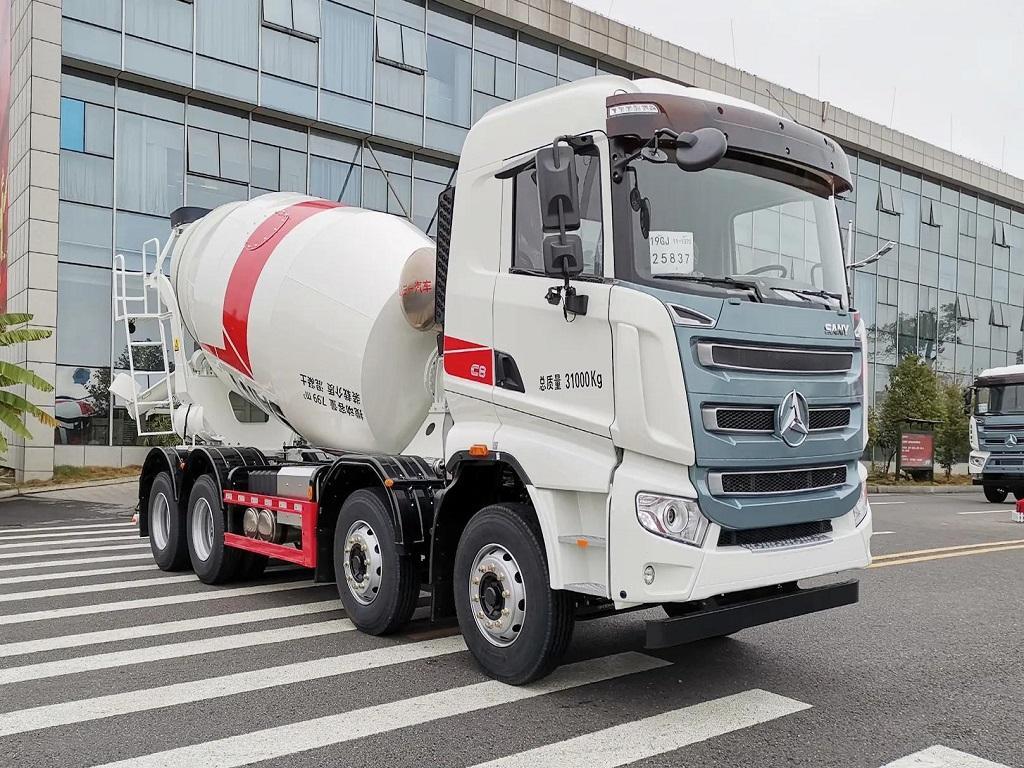
Companies involved in transportation and logistics, including airlines, shipping companies, and trucking firms, face numerous security challenges. They need to protect cargo from theft, prevent unauthorized access to secure areas, and ensure the safety of personnel and passengers.
Security measures such as GPS tracking, cargo monitoring, and access control are essential for safeguarding goods and maintaining operational efficiency.
7. Energy and Utilities
Power plants, oil refineries, and other energy facilities are critical infrastructure assets that require robust security protection. Security breaches can have devastating consequences, disrupting essential services and potentially causing widespread damage.
Expert security services are needed to protect these facilities from sabotage, terrorism, and other threats. Companies handling industrial gases, such as Josef Gas, also require strict security measures to prevent unauthorized access to hazardous materials.
8. Technology and Telecommunications
Technology companies and telecommunication providers handle vast amounts of sensitive data and intellectual property. They are also vulnerable to cyberattacks, data breaches, and industrial espionage.
Cybersecurity measures, access control systems, and physical security personnel are crucial for protecting data, preventing unauthorized access, and ensuring business continuity.
9. Education
Schools, colleges, and universities need to provide a safe and secure learning environment for students, faculty, and staff. Security personnel are responsible for monitoring campuses, controlling access, and responding to emergencies.
Security measures such as surveillance systems, emergency protocols, and crisis management plans are essential for ensuring the safety and well-being of the school community.
10. Hospitality and Entertainment
Hotels, resorts, casinos, and entertainment venues often host large numbers of people, making them potential targets for criminal activity. Security services are needed to maintain order, prevent theft, and ensure the safety of guests and staff.
Security personnel may be responsible for crowd control, access management, and emergency response.
11. Construction
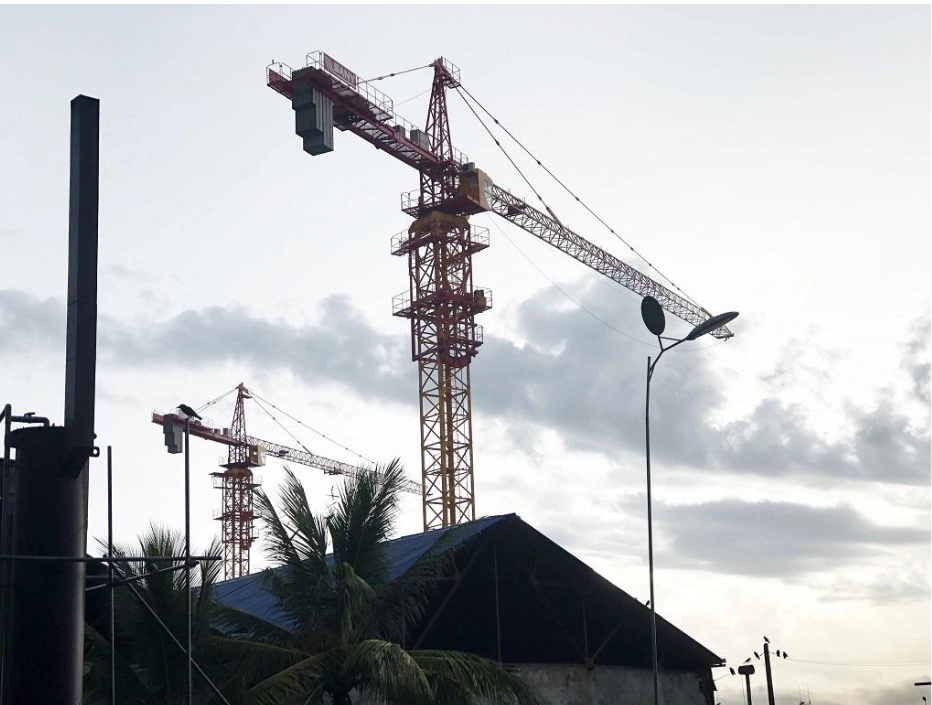
Just like in the manufacturing and industrial sector, construction sites often contain valuable equipment and materials, making them susceptible to theft and vandalism. Security guards, surveillance systems, and access control measures are crucial for protecting these assets and preventing project delays.
12. Real Estate
Residential and commercial properties require security protection to prevent burglaries, vandalism, and other crimes via security services such as gated access and surveillance systems.
13. Private Security Companies
Ironically, even security companies require expert security protection. They handle sensitive information and valuable assets and often employ security personnel who are themselves targets. They may also need specialized local security solutions, such as those offered by our security companies in Toronto, to protect operations and personnel.
The specific security needs of each industry will vary depending on the nature of the business, the level of risk, and the regulatory environment. However, the common thread is the need for professional security solutions to protect people, assets, and information, ensuring business continuity and mitigating potential threats. By investing in robust security measures, businesses can create a safer and more secure environment for everyone involved.